
Transforming Workspaces: How Soundproof Pods Bring Calm to Office Chaos

In today’s fast-paced work environment, the clamor of ringing phones, bustling conversations, and the constant hum of office equipment can often feel overwhelming. As companies strive for collaboration and creativity, they must also address a growing need for tranquility amidst the chaos. Enter soundproof pods: innovative sanctuaries designed to foster focus and boost productivity without sacrificing connectivity. In this blog post, we’ll explore how these sleek, stylish enclosures are transforming traditional workspaces into havens of calm, offering employees a much-needed escape from distractions while enhancing their overall well-being. Join us as we delve into the world of soundproof pods and discover how they’re redefining what it means to thrive in modern offices.
Why Are Offices So Loud Anyway?

Open-concept offices became trendy because they promised collaboration and transparency. But let’s be honest: the reality often includes overheard phone calls, impromptu meetings at your desk, and that one coworker with a laugh that echoes down the hallway. The problem isn’t just the noise—it’s the lack of control. When you can’t find a quiet spot to think, focus, or just breathe, stress builds fast. And let’s not even talk about trying to take a Zoom call with ten other people around.
The Pod Life: A Breath of Fresh (Quiet) Air
Soundproof pods are like hitting the mute button on office chaos. These compact, enclosed spaces are designed to block out noise and create a quiet, focused environment for calls, solo work, or small meetings. Most office pods come equipped with lighting, ventilation, power outlets, and comfy seating. Step inside, shut the door, and boom—you’ve got your private world. It’s quiet, it’s calm, and it’s exactly what your brain needs to get in the zone.
A Game-Changer for Focus and Flexibility
Let’s face it—some tasks need serious concentration. Whether you’re writing a report, prepping for a pitch, or having a sensitive conversation, having a space that supports focus is huge. That’s where soundproof pods shine. They’re not just functional—they’re flexible. Need a one-person space for deep work? Done. Need a small booth for a brainstorming session? There’s a pod for that, too.
Some companies are even using pods as private spaces for meditation, phone calls, or decompressing after back-to-back meetings. It’s not just about getting more work done—it’s about giving people more control over how they work.
The Calm Side of the Office
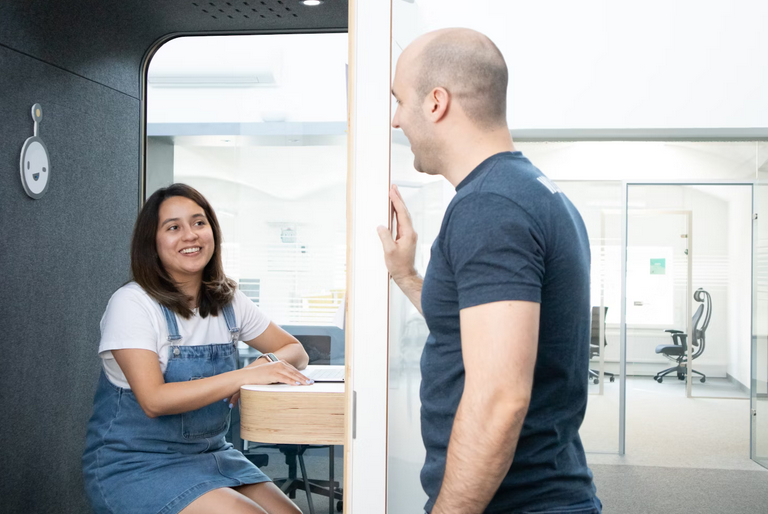
Soundproof pods do more than just add quiet zones—they help shift the entire vibe of the workplace. When people have the option to step away and focus, the overall environment becomes less frantic and more respectful of individual work styles. Instead of forcing everyone into the same noisy, open space, pods allow for a mix of collaboration and quiet time. It’s about balance. And when people feel like their work style is supported, they’re happier, less stressed, and a lot more productive.
Easy to Integrate, Hard to Live Without
One of the best things about soundproof pods is how easy they are to add to an existing office. No need to build walls or commit to permanent renovations. Most pods are modular and can be moved, reconfigured, or even branded to match your company’s vibe. And once they’re in? Good luck getting your team to give them up. They become the go-to spot for everything from focused work to virtual meetings—and maybe even your new favorite place to sip coffee in peace.
In a world where office noise and distractions are practically the norm, soundproof pods offer a refreshing solution. They give teams the power to choose how they work, whether that’s quiet solo time, a private meeting, or just a break from the buzz.



 The first step under this OSHA principle is to clarify whether security mentoring will close the security gap. In analyzing employee risks and vulnerabilities, training coordinators should consider whether only the training can establish the security or whether additional security tasks, such as better controls, more equipment, and change in procedures, are needed to accompany the training program. Training coordinators should also determine the people who need the security training and the frequency to provide the training. For instance, the
  Once the company has created the urgency of the training needs, the training planners need to know what training needs for the employees. This part will determine the area of the safety training toolkit. The step’s goal is to define the hazards faced by the employee and the workplace, including the safety needs of the employees.
 As soon as the training program has fully prepared the safety presentation, the trainer can continue and start the training. The training should be as interactive as possible so that employees can do their part in safety. More importantly, the training should address and deliver many safety issues to ensure the employee has more insight on this safety training.


 Plumbing Experts
 Virtually all companies today use some technology, and computers would be the most common source of failures. From simple problems like disconnecting the wireless Internet to acute complications like hardware failures, a computer technician can correctly diagnose the problem and provide a quick solution. If you are working on timely maintenance of buildings, consider including these construction experts in an occasional preventive maintenance program.