The Antioxidant Illusion: How Much Benefit Does Wine Actually Offer?
grape wine

For years, wine—especially red wine—has enjoyed a glowing reputation as the “healthy” alcoholic beverage. Headlines have praised its antioxidants, social media posts have celebrated nightly glasses as heart-friendly habits, and dinner conversations often circle back to the famous idea that a little wine might actually be good for you. But how much of this belief is grounded in solid science, and how much is clever marketing mixed with wishful thinking? Let’s take a closer look at the antioxidant illusion and unpack what wine truly offers when it comes to health benefits.

The Origins of the Red Wine Health Narrative

The idea that wine could be beneficial largely stems from observations like the “French Paradox,” where populations consuming moderate amounts of red wine appeared to have lower rates of heart disease despite diets rich in saturated fats. Researchers pointed to compounds such as resveratrol and other polyphenols found in grape skins as potential protective factors. In many lifestyle circles, including some Monaco based wellness communities that emphasize balanced living and Mediterranean-inspired diets, wine is often framed as part of a holistic approach to health. The cultural association between wine, relaxation, and long meals further reinforces the belief that it plays a positive role. However, correlation does not always equal causation, and broader lifestyle factors often influence these outcomes.

The Trace of Antioxidants in Wine

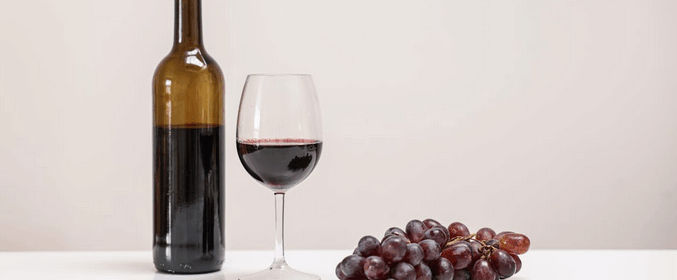
Red wine contains antioxidants like resveratrol, quercetin, and various flavonoids. These compounds help neutralize free radicals in the body, which are unstable molecules that can contribute to cellular damage. On paper, that sounds impressive. The catch is quantity. The amount of resveratrol in a typical glass of wine is relatively small. To reach levels used in many laboratory studies, a person would have to drink an unrealistic and unsafe amount of wine daily. While wine does contain beneficial compounds, it’s not a concentrated health supplement. You can get similar antioxidants from grapes, blueberries, peanuts, and other plant-based foods—without the alcohol.

The Alcohol Trade-Off
wine drinker

Alcohol itself complicates the equation. Even moderate drinking carries risks. Research increasingly links alcohol consumption to higher risks of certain cancers, liver disease, and other health issues. While some studies suggest small amounts of alcohol might raise “good” HDL cholesterol, those potential benefits may not outweigh the downsides. It’s also important to remember that many early studies highlighting wine’s benefits were observational. People who drink wine moderately often have higher socioeconomic status, healthier diets, better access to healthcare, and more active lifestyles. These factors can significantly influence overall health outcomes, making it difficult to isolate wine as the hero.

The Role of Moderation

If there’s one consistent message across credible health research, it’s moderation. For individuals who already enjoy wine, having an occasional glass with a meal is unlikely to be harmful for most healthy adults. The key is keeping consumption within recommended guidelines and not viewing wine as a medical intervention. Drinking wine specifically for its antioxidant content isn’t necessary. A balanced diet rich in fruits, vegetables, whole grains, and healthy fats offers a far more reliable path to heart health and disease prevention. In that context, wine can be a cultural or culinary pleasure—not a health strategy.

Marketing vs. Medical Reality

The wine industry has understandably leaned into the antioxidant narrative. “Heart healthy” messaging resonates strongly with consumers who want to enjoy indulgences without guilt. But marketing often simplifies complex science. Medical experts today are more cautious. Many health organizations emphasize that if you don’t drink, there’s no reason to start for potential health benefits. The antioxidant story, while rooted in some real science, has been amplified beyond its practical significance.

So, how much benefit does wine actually offer? The honest answer is: probably less than many people think. Yes, wine contains antioxidants. Yes, moderate consumption may fit into a balanced lifestyle for some individuals. But it’s not a miracle elixir, and its health advantages are often overstated.


Ways Sleep Deprivation Ruins Your Sex Life, Science Explains

yawn

Sometimes, the finest thing you can do in bed to spice up your sex life is to sleep. Though you’ve taken some sex pills for men, prepared some sex toys and new props for some actions tonight, your sex life can be in a real danger if you have sleep deprivation.

Getting enough sleep every night should be your first goal because sleep deprivation has a variety of negative effects on your sex life. After all, sleep is cost-free, and few things can improve your mood more than obtaining enough of it.

Unsurprisingly, having a chronic lack of sleep can negatively impact your libido and general desire. So, if you need any more motivation to get a good night’s sleep tonight, check out the various ways that sleeping too little can ruin your sex life.

Lowers Your Testosterone Levels

man

Basic desires might be negatively impacted by lack of sleep. The Sleep to Live Institute’s Director, Dr. Robert D. Oexman, stated that chronic sleep issues, which often occur even if you get a solid six hours each night (most adults need at least seven), can cut off levels of testosterone—the sex drive hormone—in both men and women. And messing with your hormones can make you lose your mojo.

Other studies found that early in the morning is when men get their daily testosterone. It comes from the body once daily, and if men don’t get enough sleep, their bodies don’t produce enough testosterone. Overnight, testosterone is produced while the body heals. Men who don’t get enough sleep experience lower testosterone levels, which decrease sex desire.

Screws Your Mood Regulation

The fact that getting poor sleep can make you moody is nothing new. Couples’ sex life can also significantly deteriorate when the dynamics shift away from appreciation and toward more negative thoughts as a result of sleep loss, according to psychologist Michael J. Breus on Psychology Today. If you’re constantly exhausted, likely, you won’t feel as smitten.

In reality, sleep is essential for controlling mood, and lack of sleep can exacerbate stress, anxiety, and depressive symptoms. Sexual dysfunction and declining sexual desire may be influenced by certain mental health conditions. People’s moods and mental health can be improved by getting more sleep, which will make having a sexual encounter more positive and enjoyable.

Makes You Lose Your Attractiveness

stress

An important component of attractiveness is sleep. It makes us gorgeous, vivacious, and alert in the morning. A lack of quality sleep is definitely linked to weight gain and aged skin. Additionally, sleepy people are more likely to make mistakes and come off as stupid.

Women will become more seductive to males if they have a smaller waist and appear younger. And women will find educated guys more alluring if they remember to bring home milk when asked. For both men and women, libido and sleep are related in terms of sexual attractiveness. We may age gracefully and keep our minds fluid and sharp by getting enough sleep. It heightens sexual attraction and sex drive in both genders.

These two are intertwined; obtaining more sleep will significantly boost your libido. Consistency is also important when it comes to libido and sleep. You can’t simply get 4 hours of sleep one night and 10 the next. To improve your sex life, sleep for 7-9 hours every night. So, set your alarm an hour earlier, get a nice mattress, and watch how much your sex life changes.

Keys to a Healthy and Successful Vegan Diet

vegan food

Going vegan is a big decision. It’s not just about what you eat but also about your lifestyle and worldview. If done correctly, a vegan diet can be healthy and successful. There are a few key things to keep in mind if you want to switch to veganism. This blog post will discuss some of the most important keys to a healthy and impactful vegan diet.

Get Enough Protein

protein foodOne of the most important keys to success on a vegan diet is getting enough protein. Protein is an essential nutrient that helps your body build and repair tissues, produce hormones, and more.
While you can get protein from various plant-based sources, it’s crucial to ensure you get enough of this vital nutrient. Some good vegan protein sources include beans, lentils, quinoa, tofu, and tempeh.

Find Your Plant-Based Tribe

Another key to success on a vegan diet is finding your plant-based tribe. This can be done by joining vegan meetups, online groups, or even starting your blog or podcast about veganism. Surrounding yourself with like-minded people will help you stay motivated and inspired to stick with your vegan diet. In addition to finding your tribe, educating yourself about veganism is essential. Read books, watch documentaries, and learn as much as you can about this lifestyle. The more you know, the easier it will be to stick with your vegan diet.

Eat a Variety of Plant-Based Foods

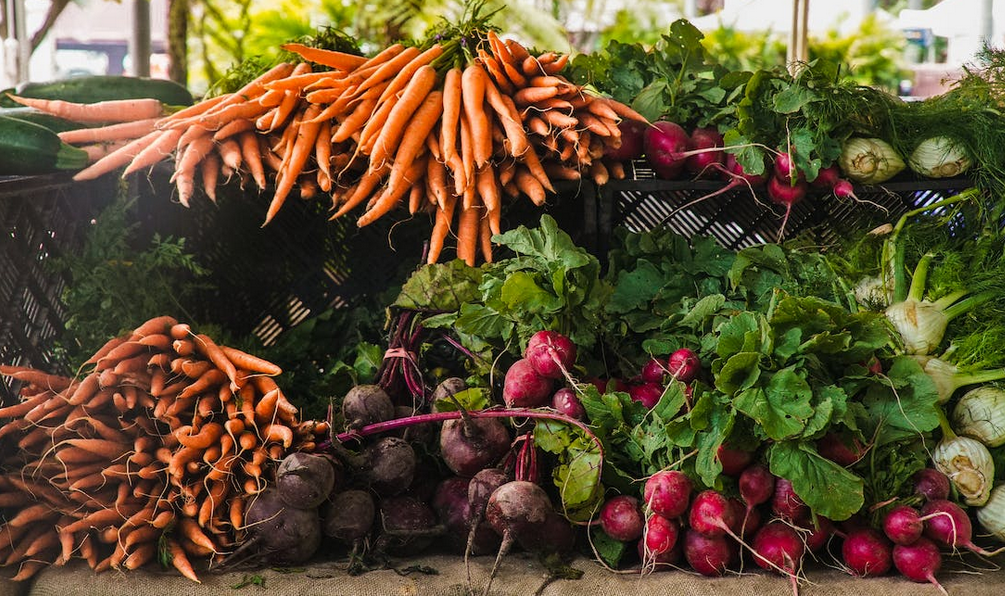
plant foodIf you want to be successful with a vegan diet, eating various plant-based foods is crucial. This will help you get your body’s nutrients and prevent boredom with your food choices.

Some good plant-based foods to include in your diet are fruits, vegetables, whole grains, beans, lentils, and nuts In addition, it’s also important to make sure you’re getting enough calories. Many people who switch to a vegan diet lose weight, so make sure you’re eating enough food to meet your caloric needs.

Eat Food You Enjoy

Finally, one of the most important keys to a vegan diet’s success is to ensure you’re eating food you enjoy. If you’re not enjoying your food, sticking with your vegan diet long-term will be complicated. Make sure to include plenty of delicious and nutritious plant-based foods in your diet to stay happy and healthy on your vegan journey.

I hope this blog post has helped you to understand some of the keys to success on a vegan diet. If you’re thinking about going vegan or are already on a vegan diet, I encourage you to keep these tips in mind. With a little effort, you can be successful and healthy on a vegan diet. Thanks for reading.